Cookies Character Christmas Dessert Graphics Review
First Impressions: Setting a Warm Holiday Tone for Brand Campaigns
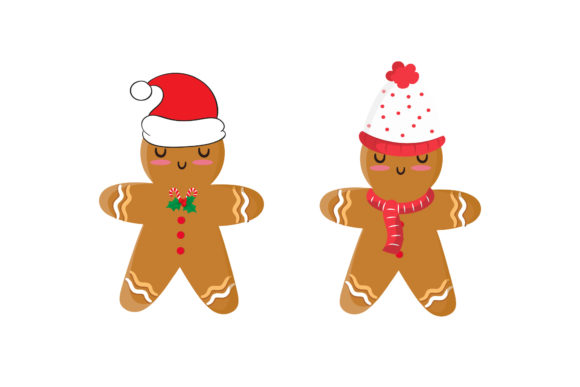
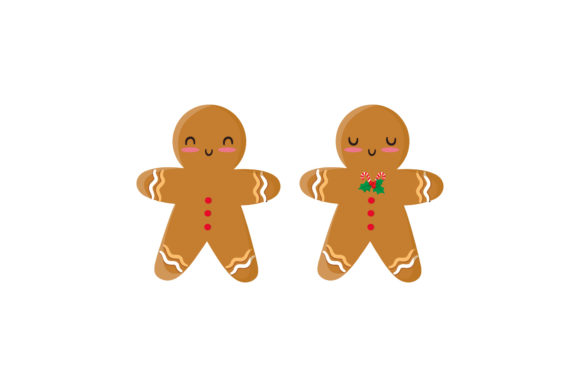
As a brand designer reviewing assets for an upcoming seasonal campaign, my first priority is assessing emotional resonance. When evaluating the Cookies Character Christmas Dessert illustration, the immediate impact is one of warmth, nostalgia, and playful indulgence. This is not a sterile, corporate graphic; it is a character-driven visual that instantly humanizes a brand. For small business branding or lifestyle content marketing, this type of imagery bridges the gap between commercial intent and genuine holiday cheer.
The mood created by this graphic design asset leans heavily into cozy aesthetics. It suggests handmade quality, family traditions, and joyful celebration. From an audience perception standpoint, this works exceptionally well for bakeries, food bloggers, children’s product lines, and gift shops. However, even service-based businesses can leverage this creative design to soften their visual identity during the holidays. The key takeaway from my initial review is that this illustration carries significant emotional weight, making it a powerful tool for building audience trust through relatable, festive visuals rather than aggressive sales tactics.
Real-World Application: Launching a Seasonal Bakery Promotion
To truly test the viability of this digital product, I applied it to a hypothetical real-world scenario: a local artisan bakery launching a new line of holiday cookie boxes. In this context, the Cookies Character Christmas Dessert serves as more than just decoration; it acts as a visual anchor for the entire campaign. We needed marketing visuals that felt premium yet approachable, distinguishing the brand from generic supermarket alternatives.
In this workflow, the versatility of the file formats became apparent. Having the asset available in AI, EPS, SVG, DXF, JPG, and PNG with a canvas size of 1920 px x 1280 px allowed us to deploy a consistent visual across multiple touchpoints without quality loss. We used the vector files for packaging design and product labels, ensuring crisp edges on printed boxes. Simultaneously, the high-resolution raster files were perfect for social media graphics and email banners. This consistency is vital for professional branding; when customers see the same charming character on an Instagram post, a website header, and the physical packaging, it reinforces brand recognition and creates a cohesive unboxing experience.
Strategic Placement Across Marketing Channels
During the campaign build-out, we identified specific areas where this illustration performed best. As a hero graphic on the landing page, it immediately communicated the seasonal offer without requiring extensive copy. For Pinterest pins, the vertical adaptability of the character helped create eye-catching content that stood out in crowded feeds. We also utilized it as a decorative element in editorial design for blog posts featuring cookie recipes, breaking up text and maintaining reader engagement.
Furthermore, this asset proved valuable for digital ads. In paid social campaigns, attention spans are short. A friendly, recognizable character often achieves higher click-through rates than stock photography because it feels bespoke. For content creators and online coaches selling holiday-themed printables or courses, this graphic can serve as a lead magnet cover or a module header, adding perceived value to the digital product through high-quality visual association.
Where This Asset Elevates Visual Hierarchy and Engagement
Effective visual hierarchy guides the viewer’s eye to the most important information. The Cookies Character Christmas Dessert excels here because of its distinct silhouette and focal point. It supports marketing goals by creating a natural entry point for the viewer. When paired with bold typography, the character balances the composition, preventing the design from feeling top-heavy or text-dominant.
This balance is crucial for improving audience engagement. In social media graphics, where users scroll rapidly, a unique illustration stops the scroll more effectively than standard text overlays. For brand identity projects, incorporating such a specific seasonal motif allows brands to show personality without permanently altering their core logo design. It is a temporary but impactful layer of branding that signals relevance and timeliness. Additionally, for those using Canva templates, this asset integrates seamlessly, allowing non-designers to achieve professional-looking results for flyers, posters, and merchandise.
Navigating Limitations: When to Use Caution
While versatile, this graphic design asset requires strategic restraint. During my review, I noted several contexts where it might underperform or clash with brand objectives. Formal corporate branding, particularly in finance, law, or B2B tech sectors, may find the whimsical nature of the cookies character too informal. In these cases, the asset could undermine authority rather than enhance approachability.
Technical limitations also exist. Because the character is detailed, it loses legibility at very small sizes, such as mobile favicons or tiny app icons. Designers must test readability before committing to miniature applications. Furthermore, in dense information layouts or text-heavy ads, the illustration can compete with the message. If the primary goal is conveying complex data or terms of service, this decorative element should be minimized or removed to preserve clarity. Finally, brands with strictly minimalist aesthetics should use this asset sparingly as an accent rather than a centerpiece to avoid visual clutter.
Professional Designer Notes: Technical Checks and Licensing
Before integrating Cookies Character Christmas Dessert into any commercial project, I recommend a rigorous testing phase. First, verify the color palette compatibility. While the asset is editable, recoloring complex illustrations can be time-consuming. Test it against your existing brand colors in both full color and black-and-white modes to ensure it holds up in monochrome print applications like receipts or embossed packaging.
Typography pairing is another critical consideration. This illustration has a soft, organic feel that pairs beautifully with handwritten fonts, rounded sans-serifs, or playful serifs. Avoid sharp, geometric display fonts that might create visual dissonance. Always preview the combination on mobile screens to check spacing and balance; what looks good on a desktop monitor may feel cramped on a phone.
- Format Verification: Confirm you have the correct file type for the medium. Use SVG/EPS for scalable web and print, PNG for transparent backgrounds in digital layouts, and JPG for photographic composites.
- Mockup Testing: Never approve a design based on the raw file alone. Place the asset inside real campaign mockups to judge scale and context accurately.
- Licensing Compliance: This is non-negotiable. Before using this asset in paid digital ads, client work, or products for resale, confirm the commercial license terms. Ensure the usage rights cover your specific business model, whether that is physical product sales, digital downloads, or content marketing.
- Competitor Analysis: Search for similar clipart usage in your niche. If every competitor uses the same style, consider customizing the colors or orientation of this asset to maintain distinctiveness.
Ultimately, the Cookies Character Christmas Dessert is a robust addition to any creative marketplace toolkit. Its availability in multiple editable formats guarantees flexibility for designers and entrepreneurs alike. Whether you are refreshing a website, designing a holiday card, or building a comprehensive seasonal content kit, this illustration offers the professional polish and emotional connection necessary to make your brand memorable during the busiest time of the year. By applying these strategic insights and technical checks, you can transform a simple graphic into a cornerstone of successful holiday marketing.