Christmas Tree Graphics: Editorial Illustrations Review
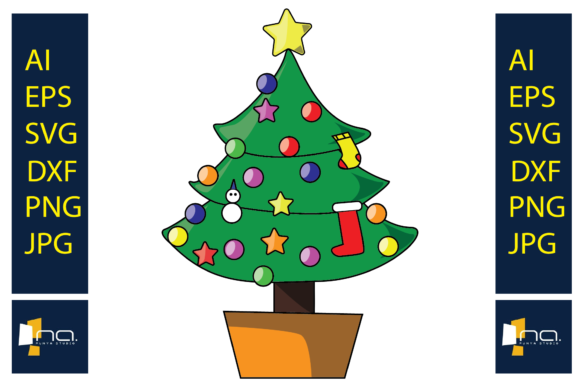
As a digital publisher and blog designer, I constantly evaluate visual assets not just for their aesthetic appeal, but for their functional utility in a real content workflow. When I first opened the Christmas Tree, Illustration Digital asset, my immediate assessment focused on its versatility within an editorial context. This is not merely a decorative clip art file; it is a clean, high-contrast silhouette that serves as a foundational element for seasonal web design. The stark black-and-white nature of this graphic creates an instant sense of classic holiday nostalgia without overwhelming the viewer. For publishers managing lifestyle blogs, craft websites, or affiliate marketing platforms, this level of visual restraint is essential. It signals professionalism and allows the surrounding typography and copy to take center stage, establishing a mood that is both festive and sophisticated.
Establishing Visual Hierarchy in Seasonal Content Marketing
In the realm of content marketing, clarity is king. A common mistake I see in holiday publishing is the use of overly complex illustrations that compete with headlines rather than supporting them. This Christmas tree silhouette excels because it respects negative space. When designing a website header or a featured image for a blog post, this asset provides a strong anchor point that guides the reader’s eye. Because it is delivered as an SVG within a Zip file, it scales infinitely without losing crispness, which is critical for maintaining brand identity across different screen sizes. Whether you are creating a hero section for a landing page or a subtle accent for a sidebar, the vector format ensures that your editorial design remains sharp on retina displays and mobile devices alike.
The simplicity of this graphic makes it particularly effective for improving click-through rates on social media graphics. On platforms like Pinterest, where users scroll rapidly, high-contrast silhouettes often outperform busy photographs because they are instantly recognizable at thumbnail size. I have found that using this type of bold iconography in a Pinterest pin template helps establish immediate category recognition. Readers know exactly what the content is about before they even read the text overlay. This visual shorthand is invaluable for affiliate marketers and bloggers who need to communicate value propositions quickly and effectively during the competitive holiday season.
Practical Applications for Digital Products and Printables
Beyond standard blog graphics, this asset shines when repurposed for monetizable digital products. As a creator of lead magnets and digital guides, I look for assets that can be easily customized to fit various branding kits. Since this file is optimized for cutting programs, it transitions seamlessly from screen to print. This dual-purpose functionality is rare and highly valuable for small business branding. You can use the same silhouette for a newsletter banner promoting a holiday sale and then adapt it for a physical product label or packaging insert. This consistency strengthens your visual identity and builds reader trust across all touchpoints.
- Canva Templates: Import the SVG directly into Canva to create cohesive social media suites for Instagram stories and Facebook posts.
- Printable Design: Utilize the cut-ready format to create DIY ornament templates, gift tags, or card-making resources for your audience.
- eBook Covers: Use the silhouette as a minimalist focal point on digital guide covers to convey a modern, clean aesthetic.
- Email Headers: Incorporate the graphic into newsletter designs to break up text blocks and add seasonal warmth without increasing load times significantly.
- Category Thumbnails: Create a unified look for your blog archives by using this illustration as a consistent icon for all holiday-related posts.
Editorial Considerations and Layout Best Practices
While this asset is incredibly versatile, successful implementation requires thoughtful placement. In my experience testing this graphic within live blog layouts, I found it performs best when given room to breathe. Placing this silhouette against a white or very light neutral background maximizes its impact and maintains accessibility standards. Conversely, using it on dark or textured backgrounds may require adding a stroke or glow effect to ensure visibility. For publishers focusing on serious professional niches or corporate communications, this traditional shape works well as a subtle watermark or footer element, but might feel too whimsical if used as a dominant hero image without balancing it with structured typography.
Typography pairing is another crucial aspect of integrating this graphic into your web design. The organic curves of the tree silhouette contrast beautifully with structured sans-serif fonts, creating a modern design aesthetic that feels current yet timeless. Alternatively, pairing it with a handwritten script font can evoke a more personal, feminine, or artisanal vibe suitable for craft blogs and lifestyle influencers. I strongly recommend testing these combinations in your actual CMS preview mode rather than relying solely on design software mockups. Seeing the asset in situ reveals how it interacts with your existing CSS, margins, and mobile responsiveness.
Publisher Workflow Notes: Licensing and Performance
Before deploying any graphic design asset on a monetized platform, due diligence is non-negotiable. Always verify the commercial license terms included with your digital download. Ensure you have the rights to use the illustration in paid advertising, affiliate content, and products intended for resale if that is your business model. Additionally, while SVGs are generally lightweight, always check the file code for unnecessary metadata or hidden layers that could bloat the file size. Web performance directly impacts SEO and user experience, so running the SVG through an optimizer before uploading it to your media library is a best practice I never skip.
- Contrast Testing: Verify the silhouette meets WCAG accessibility guidelines when placed next to text or interactive elements.
- Mobile Preview: Check how the graphic renders on vertical screens to ensure it doesn't dominate the viewport or push critical content below the fold.
- File Format Verification: Confirm the Zip file contains the specific SVG version compatible with your cutting machine or design software before starting a project.
- Brand Alignment: Assess whether the traditional style of the tree matches your site's overall voice; it may need color modification via CSS or vector editing to fit neon or pastel brand palettes.
- A/B Testing: If possible, test this illustration against photography in your email subject lines or ad creatives to gather data on audience preference.
Elevating Reader Trust Through Cohesive Design Assets
Ultimately, the goal of incorporating Christmas Tree, Illustration Digital into your publishing strategy is to enhance the perceived value of your content. High-quality, intentional visuals signal to readers that you care about the details. This specific asset bridges the gap between crafting utility and digital polish, making it a unique tool in the creative marketplace. By leveraging its scalability and classic form, you can produce a wide array of content—from downloadable worksheets to sophisticated ad creatives—without sacrificing brand coherence. For the digital entrepreneur or blogger, owning versatile, cut-ready graphics like this reduces production time and elevates the final output, ensuring your holiday content stands out in a crowded digital landscape.
When utilized correctly, this illustration does more than decorate; it communicates. It tells your audience that your content is curated, accessible, and visually considered. Whether you are building a lead magnet to grow your email list or simply refreshing your blog’s seasonal aesthetic, this graphic provides the structural elegance needed to support professional storytelling. Remember to treat it as a flexible component of your larger design system, adapting its scale and context to serve your specific editorial goals. In doing so, you transform a simple digital download into a powerful engine for engagement and conversion.