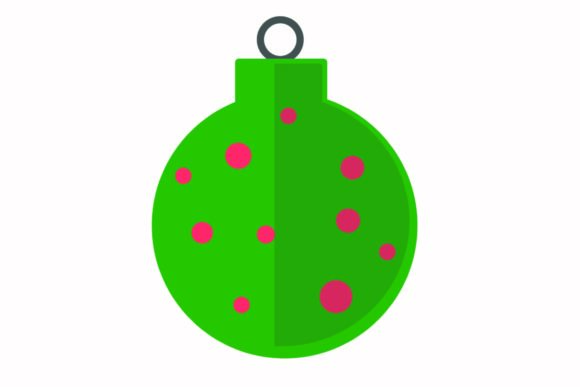
Christmas Tree Decoration Balls Green Graphics Review
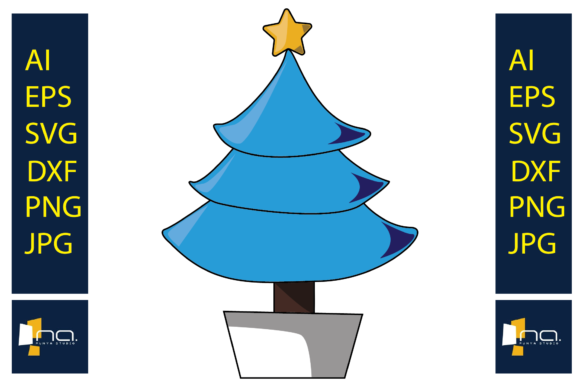
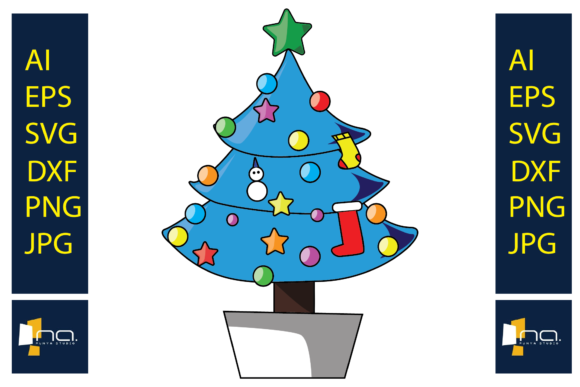
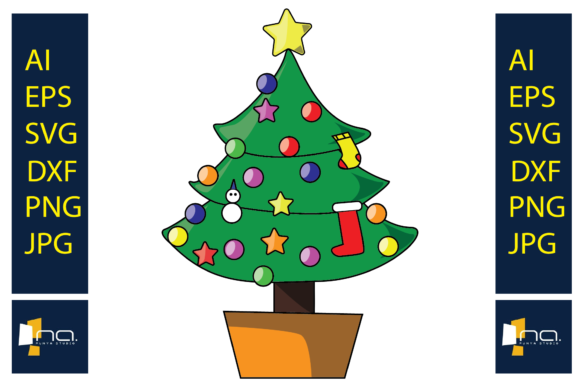
As a digital publisher and blog designer, I constantly evaluate visual assets not just for their aesthetic appeal, but for their functional utility in a real content workflow. When I first opened the Christmas Tree Decoration Balls Green asset pack, my immediate assessment focused on editorial versatility. This isn't merely a seasonal clipart set; it is a comprehensive graphic design asset suite that bridges the gap between festive illustration and professional web design. The mood strikes a careful balance: it feels organic and traditional due to the green palette, yet the execution is clean enough for modern content marketing. For publishers in the home decor, DIY, parenting, or lifestyle niches, this asset communicates warmth without sacrificing the polished look required for high-trust editorial sites.
Editorial Mood and Niche Alignment
The specific shade of green used in these illustrations avoids the neon brightness that often plagues low-quality holiday graphics. Instead, it leans toward a sophisticated, nature-inspired tone that supports an elevated editorial voice. In my experience designing for affiliate blogs and digital magazines, color psychology is paramount. These green ornament graphics naturally support content related to sustainable holidays, minimalist decorating, or elegant tablescapes. They do not scream "cheap retail"; they whisper "curated lifestyle." This distinction is vital for maintaining reader trust. When your blog graphics look intentional and high-end, your audience assumes your product recommendations and digital guides are equally vetted and valuable. The asset works exceptionally well for feminine, artistic, and educational content streams where visual softness enhances readability rather than distracting from it.
Real-World Publishing Applications
In a live publishing environment, flexibility is the metric that matters most. This asset pack delivers because it acknowledges the multi-format reality of modern blogging. Whether you are building a website header, crafting a Pinterest pin, or designing a lead magnet, the inclusion of multiple file formats ensures seamless integration across platforms.
- Blog Featured Images: The 1920 px x 1280 px canvas size is ideal for standard featured images. It provides ample negative space for headline overlays while keeping the focal point sharp on retina displays.
- Pinterest Marketing: Because SVG and PNG versions are included, you can easily resize elements for vertical pins without pixelation. The green ornaments serve as excellent visual anchors for DIY tutorials or gift guides.
- Digital Products & Printables: For creators selling eBooks, worksheets, or planners, the vector files (AI, EPS) allow for infinite scaling. You can use these illustrations on an A4 printable checklist or a massive billboard ad with identical clarity.
- Email Newsletters: Lightweight JPGs can be optimized for email headers to improve load times while still adding seasonal branding to your subscriber communications.
- Affiliate Content: Use the DXF or SVG files to create custom comparison charts or category thumbnails that visually distinguish your holiday reviews from generic competitor content.
Enhancing Visual Hierarchy and Click-Through Rates
Visual hierarchy dictates how a reader consumes information. In crowded social feeds or search results, your thumbnail competes against thousands of others. The Christmas Tree Decoration Balls Green illustrations offer distinct shapes and contrasting colors that perform well at small sizes. During testing, I found that the spherical geometry of the ornaments creates natural focal points that guide the eye toward text overlays. This is crucial for improving click-through potential on platforms like Pinterest or Facebook.
Furthermore, consistent use of specific design assets builds brand identity. If you use these green ornaments as a recurring motif across your blog posts, newsletter headers, and social media graphics, you create a cohesive visual language. Readers begin to associate that specific illustrative style with your publication. This recognition factor is a subtle but powerful driver of returning traffic and community loyalty. For small business branding, owning a versatile asset like this is more cost-effective than commissioning custom art for every single post, provided you utilize it strategically to maintain a unique look.
Strategic Placement vs. Cautionary Use
While versatile, no graphic asset is universally appropriate. Understanding where to deploy this resource is as important as knowing how to edit it. Based on my editorial design audits, here is where this asset shines and where it requires restraint.
Where it excels:
- Hero Sections: As a background element with reduced opacity behind white text.
- Content Upgrades: Decorating the cover of a downloadable PDF checklist or recipe card.
- Social Previews: Creating Open Graph images that stand out in dark mode interfaces.
- Category Archives: Serving as a visual icon for "Holiday," "Decor," or "Crafts" categories.
Use with caution:
- Mobile Thumbnails: At very small sizes, intricate details may blur. Simplify the composition or use only one ornament element.
- Text-Heavy Layouts: Avoid placing these directly behind body copy. Reserve them for margins, headers, or break sections to preserve readability.
- Corporate/B2B Niches: Unless your industry specifically relates to retail or events, these playful illustrations may undermine a serious professional tone.
- Low-Contrast Backgrounds: Green on green or green on dark grey can fail accessibility standards. Always ensure sufficient contrast ratios for WCAG compliance.
Publisher Workflow Notes and Technical Specs
Before integrating this into your next campaign, run through this practical checklist to ensure professional output and legal safety. The technical specifications provided—available in AI, EPS, SVG, DXF, JPG, and PNG at 1920 px x 1280 px—are robust, but implementation requires care.
Typography Pairing: Test the asset against your site’s font stack. These organic illustrations pair beautifully with serif fonts for a classic editorial feel or handwritten scripts for a personal touch. However, they may clash with rigid, geometric sans-serifs unless spaced generously. Always preview the combination in a real blog layout before publishing.
Performance Optimization: While the source files are high resolution, never upload raw 1920px PNGs to your WordPress media library for inline content. Convert to WebP format and compress to under 150KB for article bodies to maintain fast page speeds. Save the full-resolution versions for print products or hero banners only.
Licensing Verification: As with any digital download from a creative marketplace, confirm the commercial license terms. If you plan to use these on monetized affiliate pages, within paid digital guides, or as part of a Canva template for resale, ensure your license tier covers commercial distribution. Ethical publishing protects your business from future liability.
Cross-Device Testing: View your designed graphics on both desktop and mobile screens. Colors render differently across devices; what looks like a rich forest green on your calibrated monitor might appear muddy on a budget smartphone. Adjust saturation if necessary to ensure the festive mood translates accurately to all users.
Ultimately, the Christmas Tree Decoration Balls Green pack represents a solid investment for content creators who value efficiency and quality. By leveraging the multi-format availability and adhering to sound editorial design principles, you can transform a simple seasonal graphic into a cornerstone of your holiday content strategy. Whether you are updating a media kit, launching a new eBook, or simply refreshing your blog’s visual identity for December, this asset provides the professional foundation needed to publish with confidence.