Cake and Candy Christmas Graphics: Editorial Illustrations
As a digital publisher who manages multiple content sites during the high-traffic holiday season, my first impression of the Cake and Candy Christmas Asset Set was one of immediate editorial utility. In the crowded space of seasonal content marketing, visual communication is often the deciding factor between a bounce and a click. This collection strikes a specific balance that is difficult to find in generic stock libraries; it feels intentionally crafted for lifestyle publishing rather than commercial packaging. The mood is undeniably festive yet retains a clean, modern design aesthetic that prevents it from looking cluttered or dated. For bloggers and content creators operating in food, parenting, DIY, or gift-guide niches, this graphic design asset establishes an instant emotional connection with readers while maintaining the professional polish required for high-trust websites.
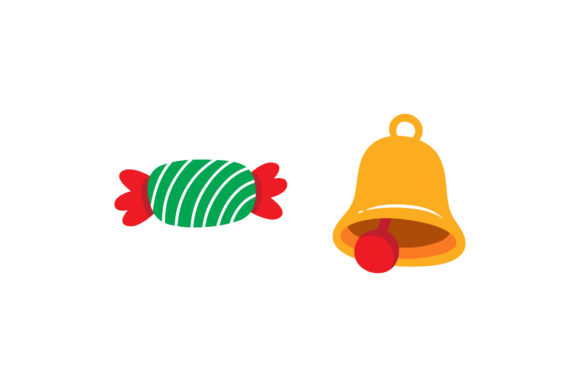
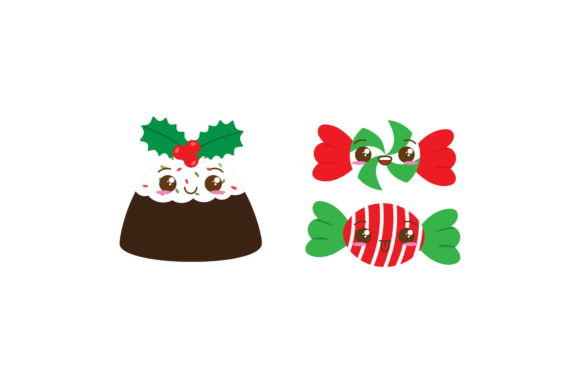
The visual tone leans heavily into a playful, feminine, and artistic direction without sacrificing readability. When I loaded the files into my workspace, the illustrations felt substantial enough to serve as primary visual anchors for long-form articles. Unlike clip art that disappears against white backgrounds, these graphics possess enough weight and color saturation to support text overlays and headline hierarchy. This is crucial for editorial design where the image must work as hard as the copy. The set naturally supports content that aims to be warm and inviting, making it ideal for recipe blogs, holiday party planning guides, and affiliate marketing roundups featuring confectionery or baking products.
Deploying Visuals Across the Publishing Ecosystem
In a real-world publishing workflow, versatility is the metric by which I judge any creative design purchase. The Cake and Candy Christmas Asset Set proves its value through its comprehensive file format availability. Receiving assets in AI, EPS, SVG, DXF, JPG, and PNG formats means this single digital download can service almost every touchpoint of a content strategy. The 1920 px by 1280 px canvas size is particularly noteworthy for web design; it aligns perfectly with standard featured image ratios used by WordPress themes and social sharing protocols.
For blog graphics and article headers, the vector-based AI and EPS files allow for infinite scaling without pixelation. I was able to resize elements to create custom website header banners that matched my specific brand identity dimensions. The SVG format is a standout for performance-conscious publishers; embedding scalable vectors directly into blog posts ensures crisp rendering on Retina displays while keeping page load speeds optimal. Meanwhile, the high-resolution JPG and PNG files are ready-to-use solutions for Pinterest pin creation. Since Pinterest favors vertical imagery, having high-quality source material at this resolution allows designers to stack elements vertically in Canva templates without losing fidelity.
Beyond standard blog visuals, this asset set excels in supporting monetization and lead generation efforts. The playful nature of the cake and candy illustrations makes them perfect covers for digital products like holiday baking eBooks, printable gift tags, or festive meal planners. When creating a lead magnet to capture email subscribers, using cohesive, high-quality illustrations signals value to the user. Similarly, for affiliate marketers promoting kitchen gadgets or specialty ingredients, these graphics provide a non-generic backdrop that enhances product photography rather than competing with it. They function exceptionally well as category thumbnails, helping users visually navigate a site’s holiday archive, which improves user experience and session duration.
Strategic Placement for Maximum Engagement
Understanding where to deploy this graphic design asset is just as important as the asset itself. Based on my testing within live editorial layouts, the Cake and Candy Christmas Asset Set performs best in hero positions and content upgrades. As a featured image, the vibrant colors and recognizable shapes arrest the scroll in social media feeds and search engine results. The visual hierarchy inherent in the composition leaves adequate negative space for headline text, ensuring that the title remains legible even when the image is compressed into a thumbnail.
However, publishers must exercise discernment. While these illustrations are charming, they are not universally appropriate. I would advise against using them in serious corporate communications, financial reporting, or minimalist luxury branding where the whimsical style might undermine authority. Additionally, care should be taken when placing these graphics in text-heavy sidebars or small mobile navigation menus; the intricate details of the candy textures can become muddy at very small sizes. Always prioritize clarity over decoration in functional UI areas. For newsletter headers, ensure the illustration does not push the main call-to-action below the fold on mobile devices. The goal is to enhance the content marketing message, not obscure it.
Technical Workflow and Publisher Best Practices
Before integrating this set into a monetized website or paid digital guide, experienced publishers must validate both technical performance and legal compliance. Although the provider guarantees the design is easy to use and editable, real-world application requires due diligence. First, confirm the commercial license terms specifically regarding your intended use case. If you plan to sell Canva templates featuring these elements or include them in a paid membership site, verify that the licensing permits such derivative commercial design. Protecting your business from copyright issues is foundational to sustainable digital publishing.
From a web performance standpoint, never upload the raw 1920 px files directly to your media library. While the resolution is excellent for printables and high-DPI screens, unoptimized images will destroy Core Web Vitals scores. Use the SVG versions wherever possible for web display, and compress JPG/PNG exports using modern tools to reduce file size by 60-80% without visible quality loss. Test the graphics across devices; what looks balanced on a desktop monitor may appear cropped or awkwardly positioned on a smartphone screen. Preview the asset inside your actual blog theme before publishing to check contrast ratios against your background colors.
Typography pairing is another critical consideration for editorial cohesion. These illustrations have a distinct personality that demands complementary font choices. During my review, I found that bold sans-serif fonts provided a nice modern counterpoint to the organic shapes of the candy, while elegant script fonts enhanced the traditional holiday feel. Avoid overly decorative display fonts that compete with the illustration's own intricacy. Finally, test the graphics in grayscale. A strong visual asset should maintain its structural integrity and focal points even without color, ensuring accessibility and versatility for black-and-white print applications or low-bandwidth user preferences.
Ultimately, the Cake and Candy Christmas Asset Set represents a smart investment for creative entrepreneurs and small business branding efforts. It bridges the gap between amateur DIY aesthetics and professional commercial design, offering the flexibility needed for modern multi-platform publishing. Whether you are crafting a viral Pinterest pin, designing a high-converting landing page for a holiday workshop, or simply refreshing your blog’s seasonal look, these illustrations provide the visual vocabulary necessary to communicate warmth, quality, and festive joy. By applying thoughtful editorial judgment and technical optimization, publishers can leverage this asset to build stronger reader trust and drive meaningful engagement throughout the holiday content cycle.